

The Sagaponack
East Hampton, New York · Hamptons Leisure Market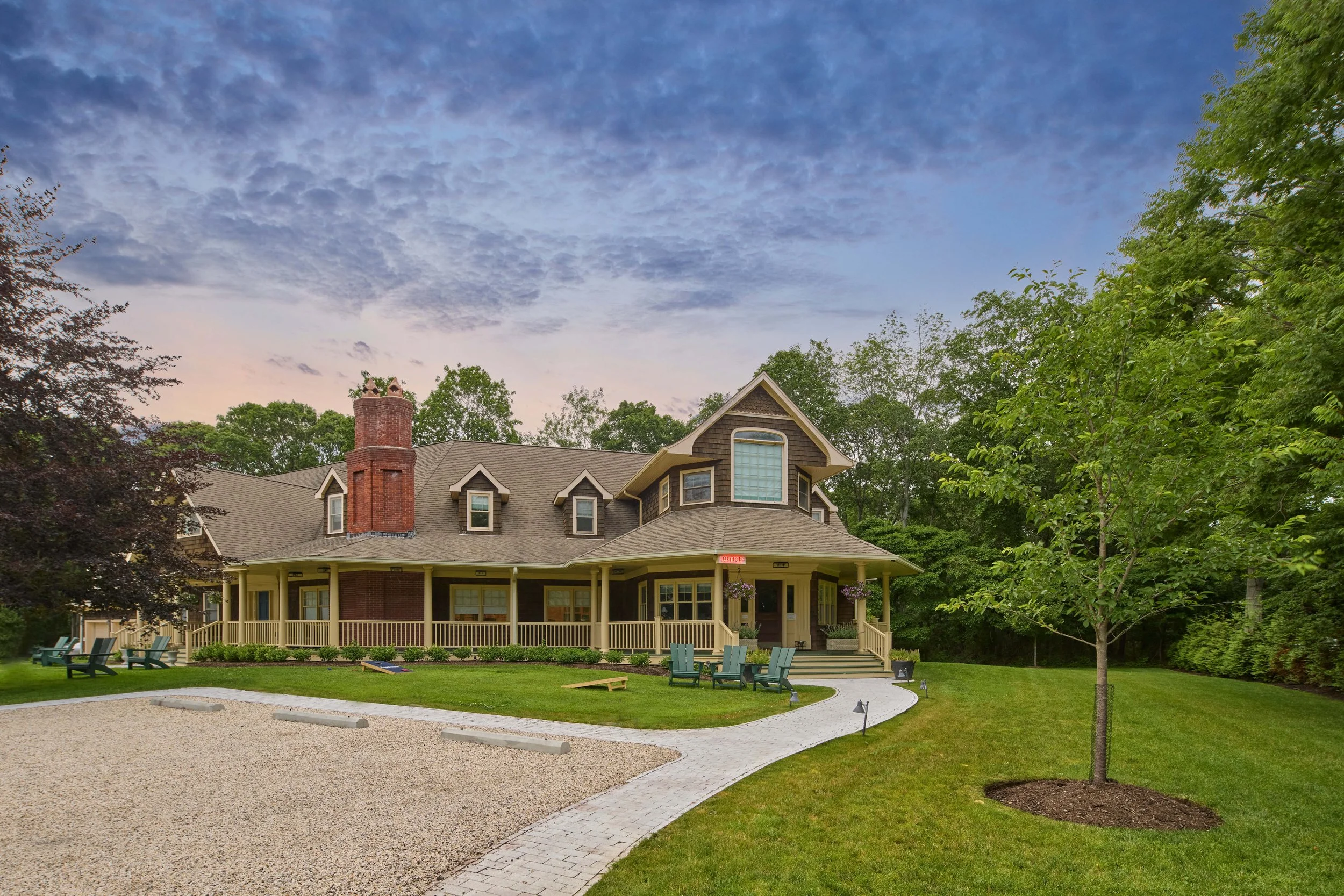
seasonal leisure markets
Visual positioning as pricing power.
Located in Sagaponack on the East End of Long Island, The Sagaponack operates within one of the most seasonal leisure markets in the United States. Summer demand regularly pushes nightly rates into the upper tiers of the Hamptons lodging market.
At these pricing levels, visual presentation plays a direct role in shaping guest perception and booking confidence. Travelers evaluating Hamptons accommodations compare multiple properties within seconds — making imagery a critical component of how a property communicates its quality, atmosphere, and overall guest experience.
This case study examines how controlled lighting, spatial composition, and tonal balance strengthen perceived value — aligning the visual narrative with the price tier a property is intended to command.
When perceived value rises faster than capital improvement investment, operators gain pricing leverage without incremental renovation spend.
King Room — before and after
Depth layering and exposure control expand perceived volume and reposition the King Room as premium boutique rather than seasonal rental. Emphasizing ceiling height, material contrast, and circulation clarity reinforces upper-tier pricing and reduces perceived compromise during booking decisions.
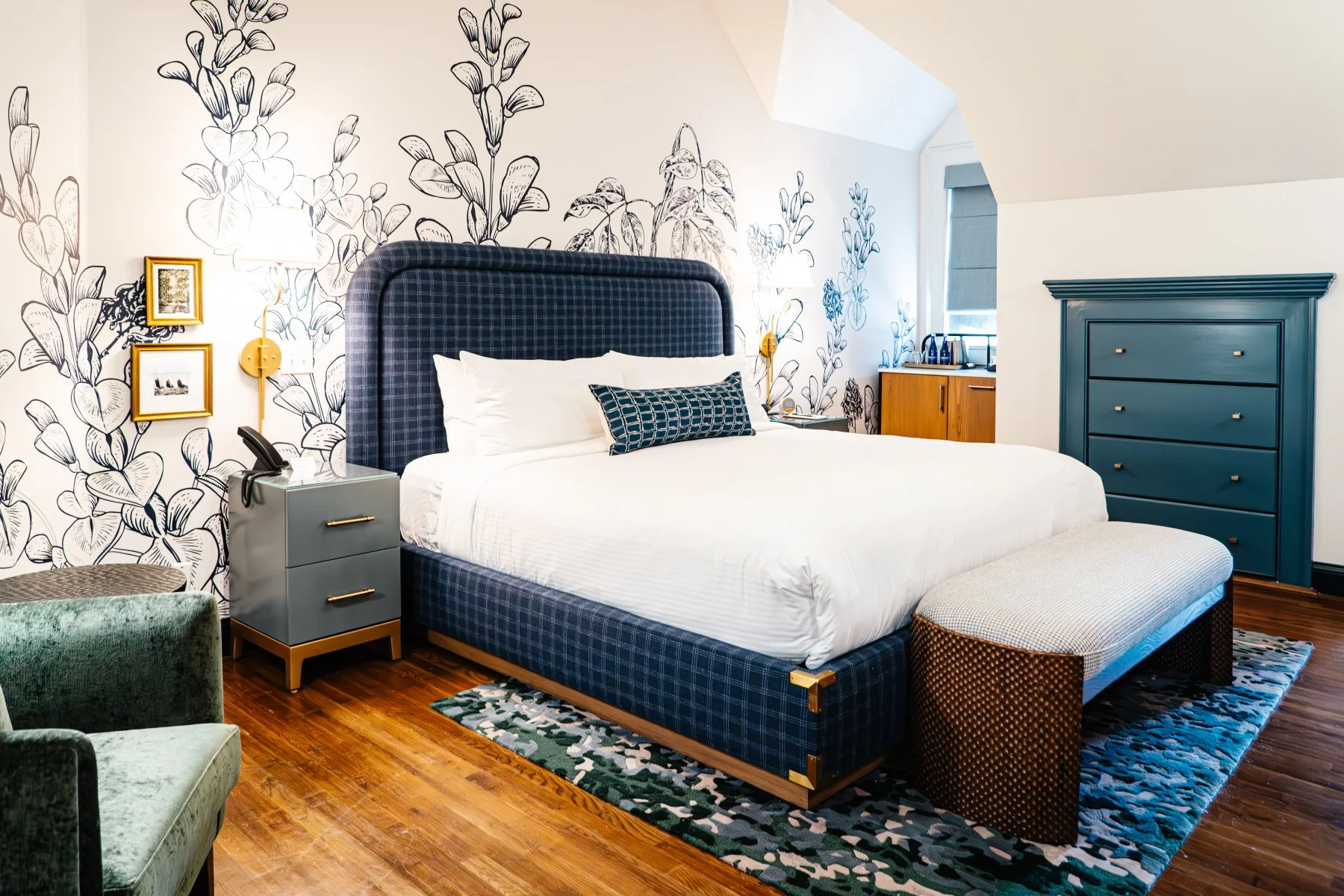
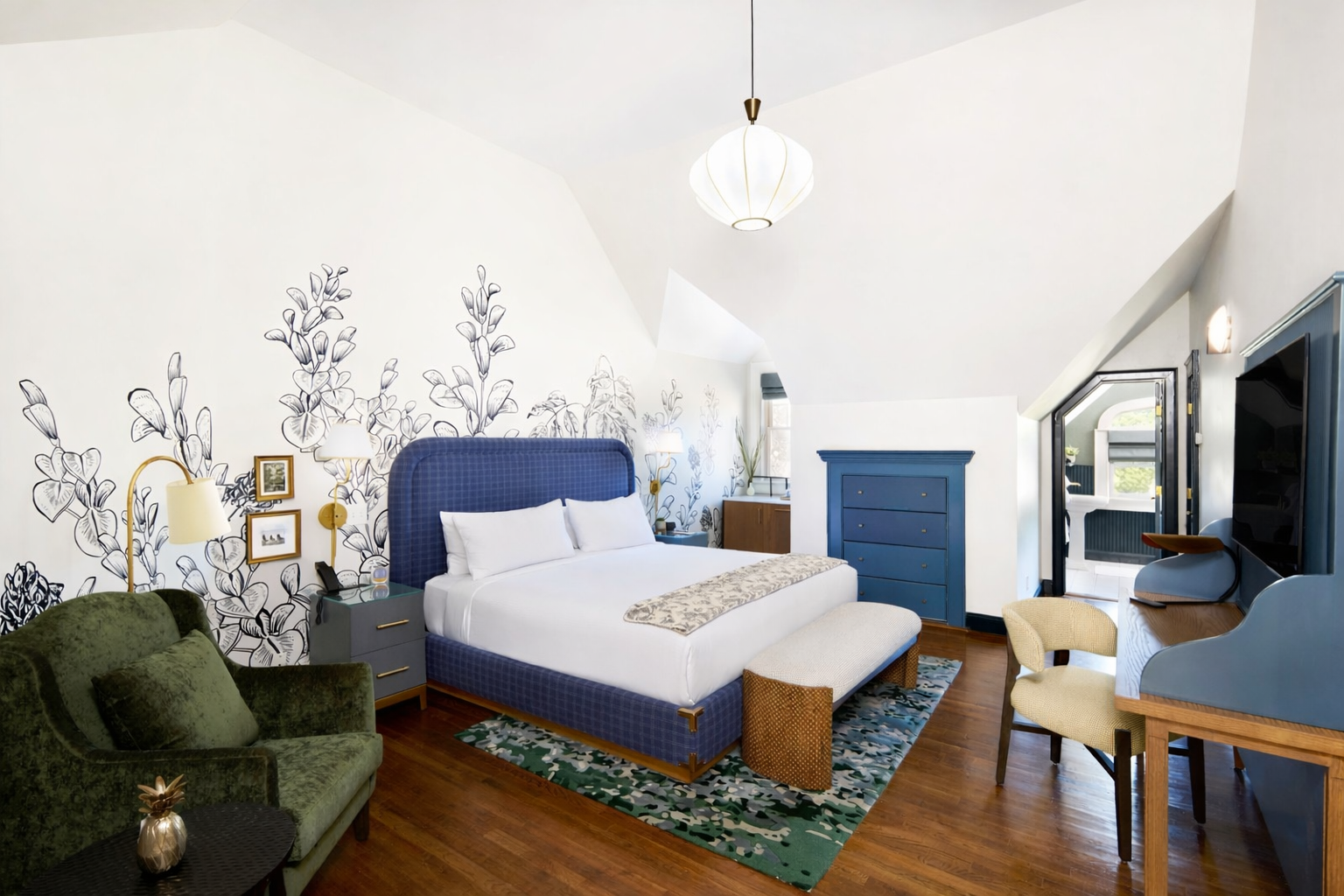
Guest perception of the room moves from seasonal rental to premium boutique. At $1,100+ nightly this distinction determines whether the rate feels earned or questioned.
Depth layering, controlled exposure, and ceiling height emphasis expand perceived spatial volume without altering the physical room.
Spatial clarity reduces hesitation at the room-selection stage — the moment most prone to upgrade abandonment or competitor comparison.
Pool — from amenity to destination
Strategic lighting and composition elevate the pool from a listed amenity to a primary booking driver — reinforcing direct booking appeal, shared-use demand, and peak-season rate integrity.
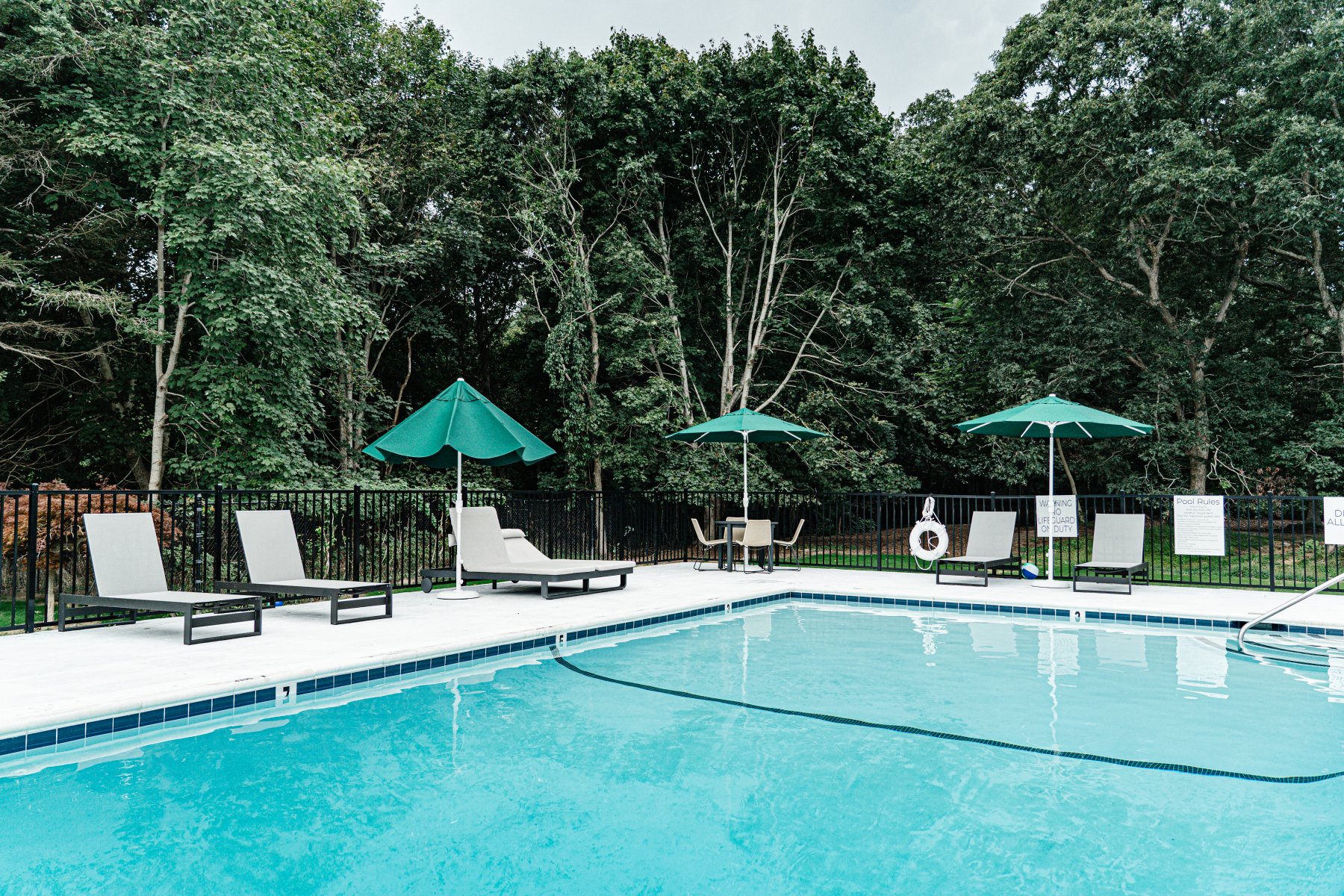
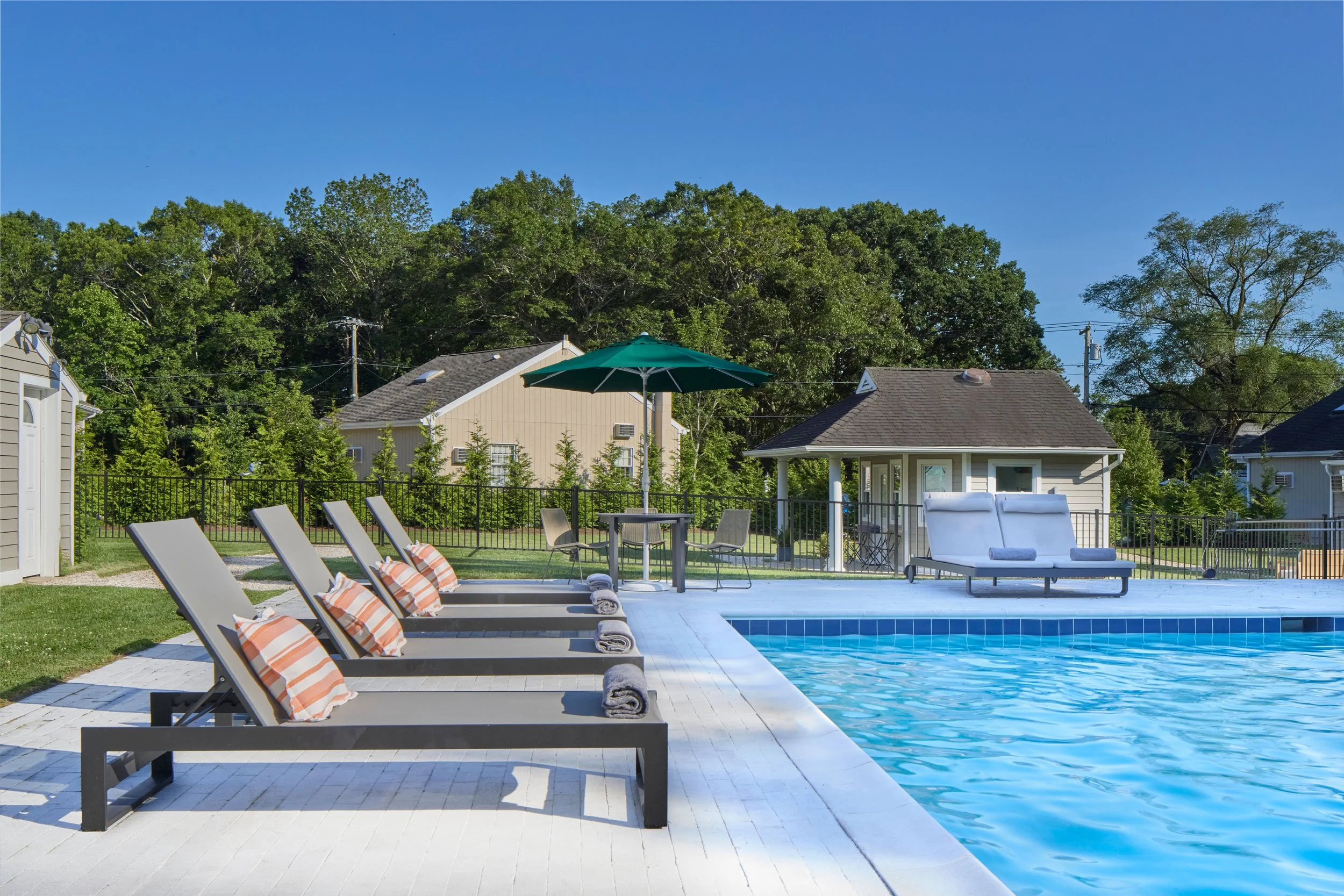
Pool visibility transforms from amenity checkbox to a reason to book. In the Hamptons market, outdoor experience drives selection above room type in summer.
Strategic time-of-day capture and lighting composition communicate atmosphere rather than documentation — the difference between a pool you see and one you want to be in.
Destination positioning of the pool reinforces peak-season rate integrity and reduces reliance on promotional pricing to drive occupancy during shoulder periods.
Reception — arrival perception and trust
The arrival image answers the guest's most fundamental pre-booking question: what does it feel like to arrive here? Establishing arrival confidence reduces friction across all booking channels and supports cross-channel conversion.
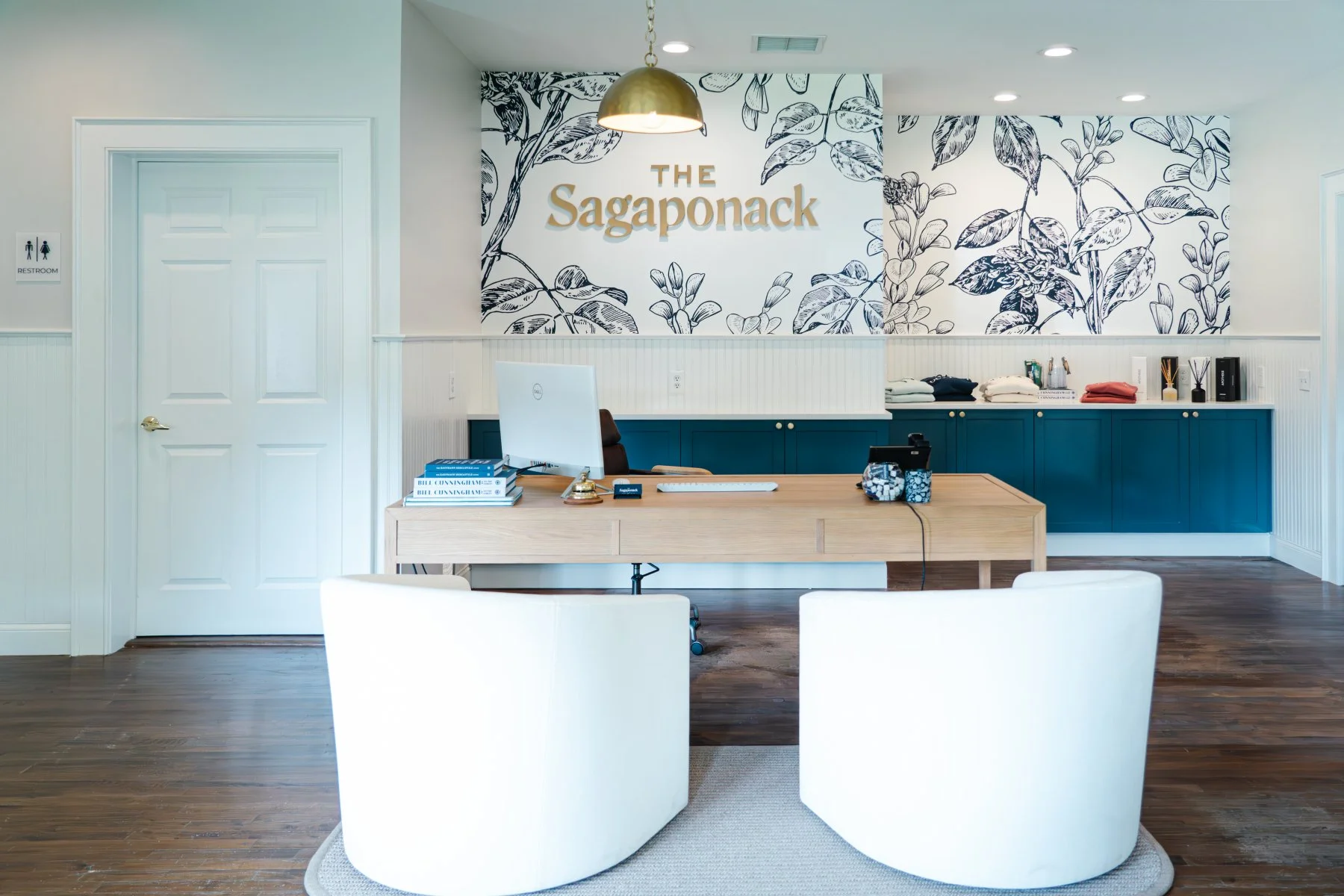
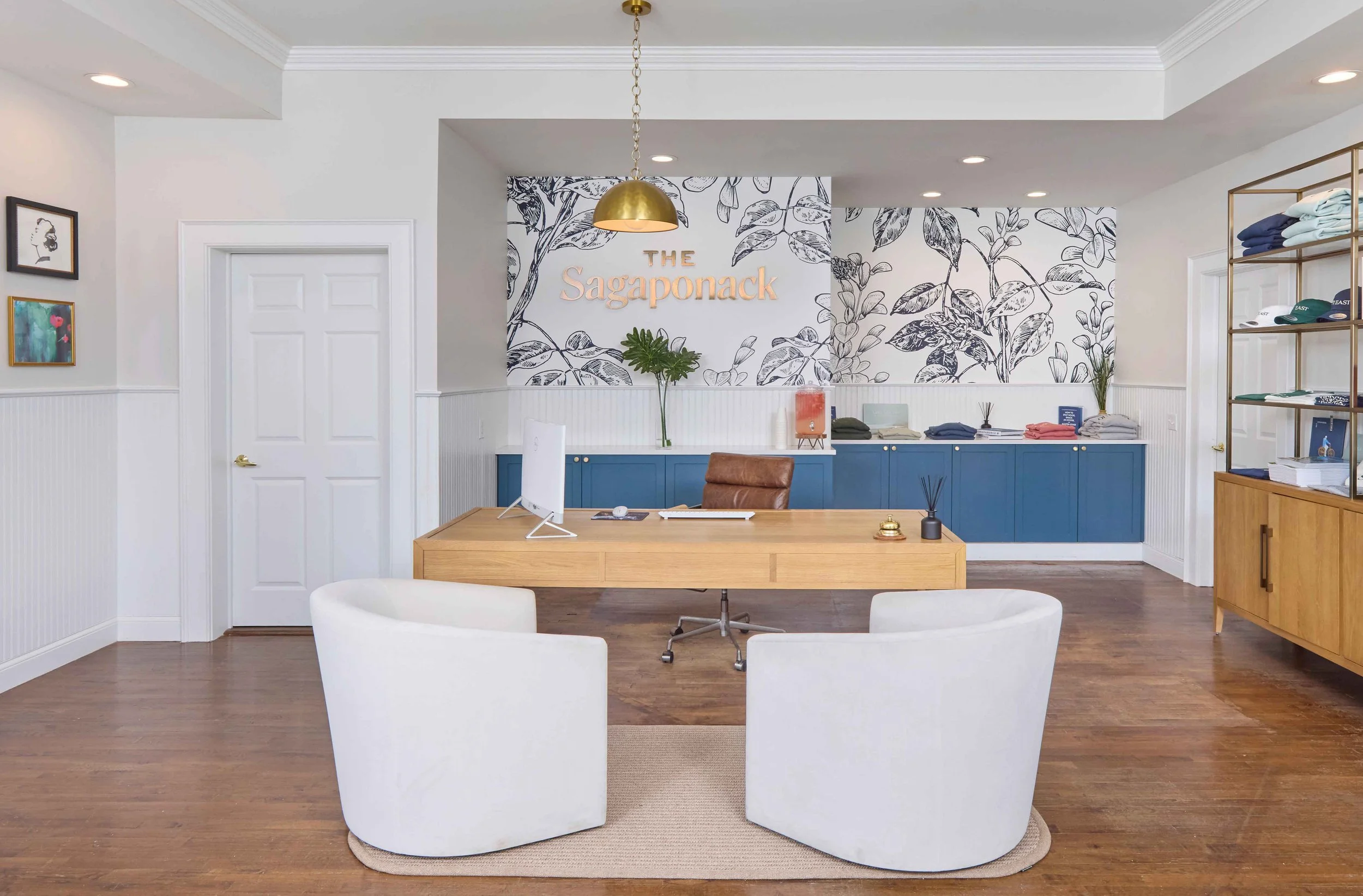
Guests form a felt sense of the arrival experience before they book. A reception that communicates warmth and intention reduces the uncertainty that causes abandonment.
Reduced arrival uncertainty translates directly to reduced booking hesitation — particularly for first-time guests comparing multiple properties in the same rate tier.
Strong arrival imagery performs equally across OTA, brand.com, and direct channels — supporting consistent cross-channel conversion without channel-specific production.
Experience over comparison. Reduced price sensitivity.
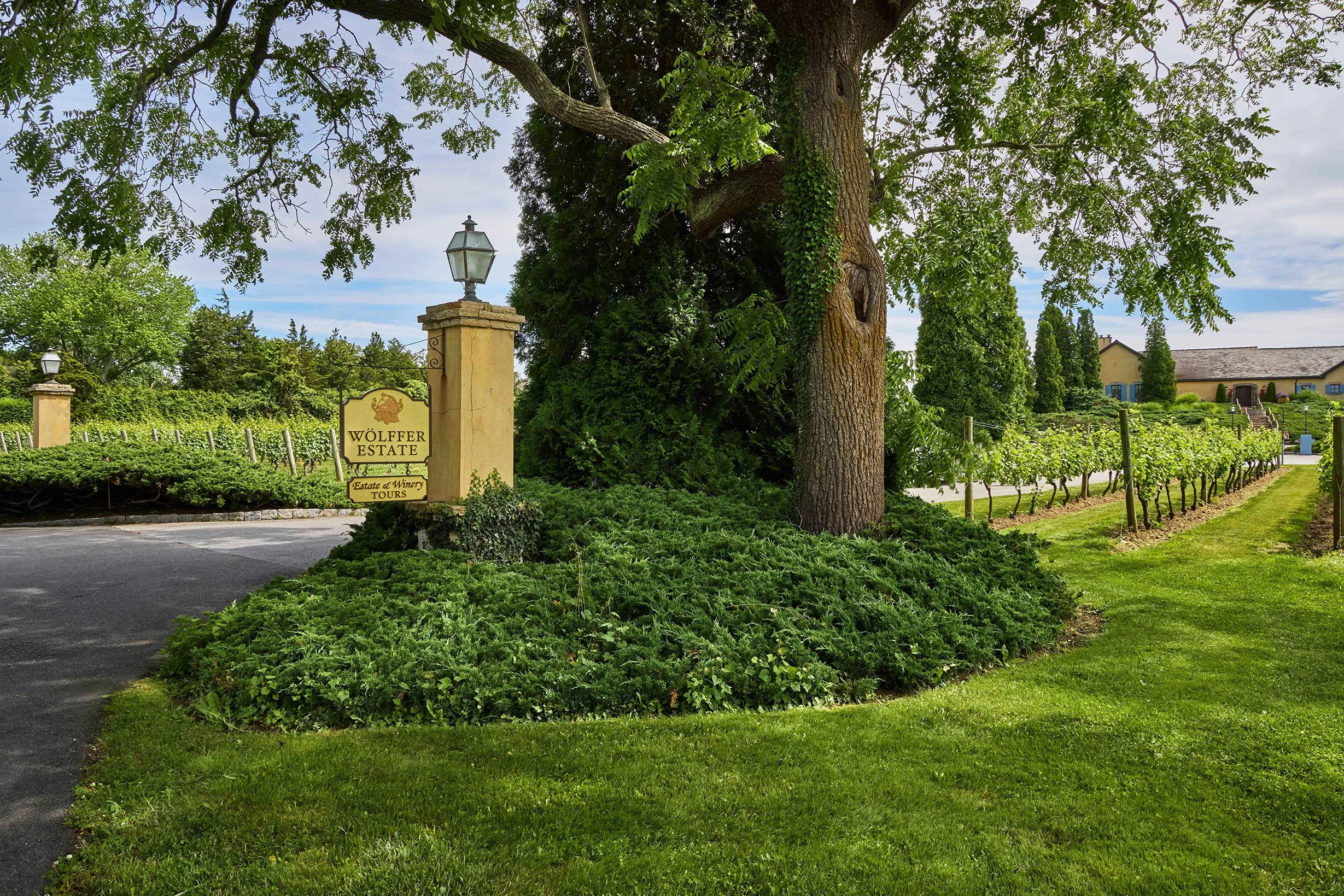
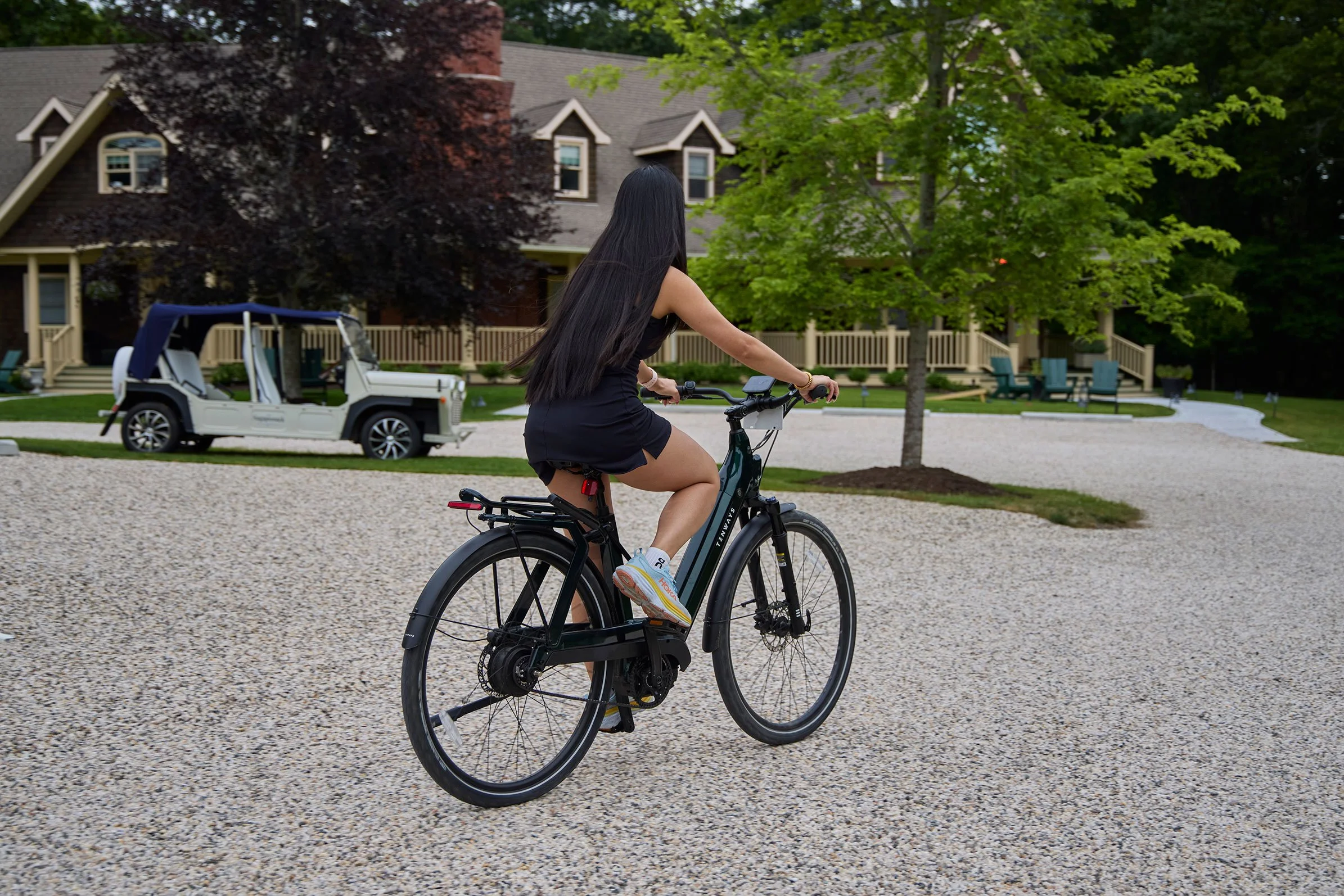
Lifestyle and attraction imagery diversifies traffic beyond OTA platforms, reinforces yield during compression periods, and positions The Sagaponack as the base for a curated Hamptons experience rather than a room to sleep in.
Cliff's work at The Sagaponack elevated how the property is presented across our marketing channels. The updated imagery more clearly communicates the guest experience and aligns with the level of customer we aim to attract. His understanding of both the visual and operational side of hospitality made the process seamless and aligned with the property's overall positioning.
Meyer Jabara Hotels The Sagaponack · East Hampton, New York Hospitality Management Companyimages delivered 3 Before/after
comparisons $1,500+ Suite ADR
supported
When the visual presentation communicates a product worth the rate, the conversation shifts from "is this too expensive?" to "is this available?" — the condition every operator should be building toward.
A rate above $1,000 per night requires visual substantiation at every stage of the booking decision. Imagery that falls short of the rate creates the doubt that promotional pricing is then used to overcome.
Properties that discount to drive occupancy are, in most cases, compensating for a visual presentation gap — not a product gap. Closing that gap restores rate integrity without revenue sacrifice.
Visual positioning, when executed with commercial intent, becomes a revenue instrument — not a marketing accessory.
Does your property compete below its intended tier?
Start with a Visual Revenue Audit — a structured analysis of exactly where your imagery is costing you rate and conversion. Delivered in 3–5 business days for $750.
Explore The Visual Audit Or discuss a full visual positioning engagement →