

How visual strategy shapes rate, perception, and booking decisions.
Each study examines how architecture, imagery, and market positioning intersect to shape what guests decide before they arrive.
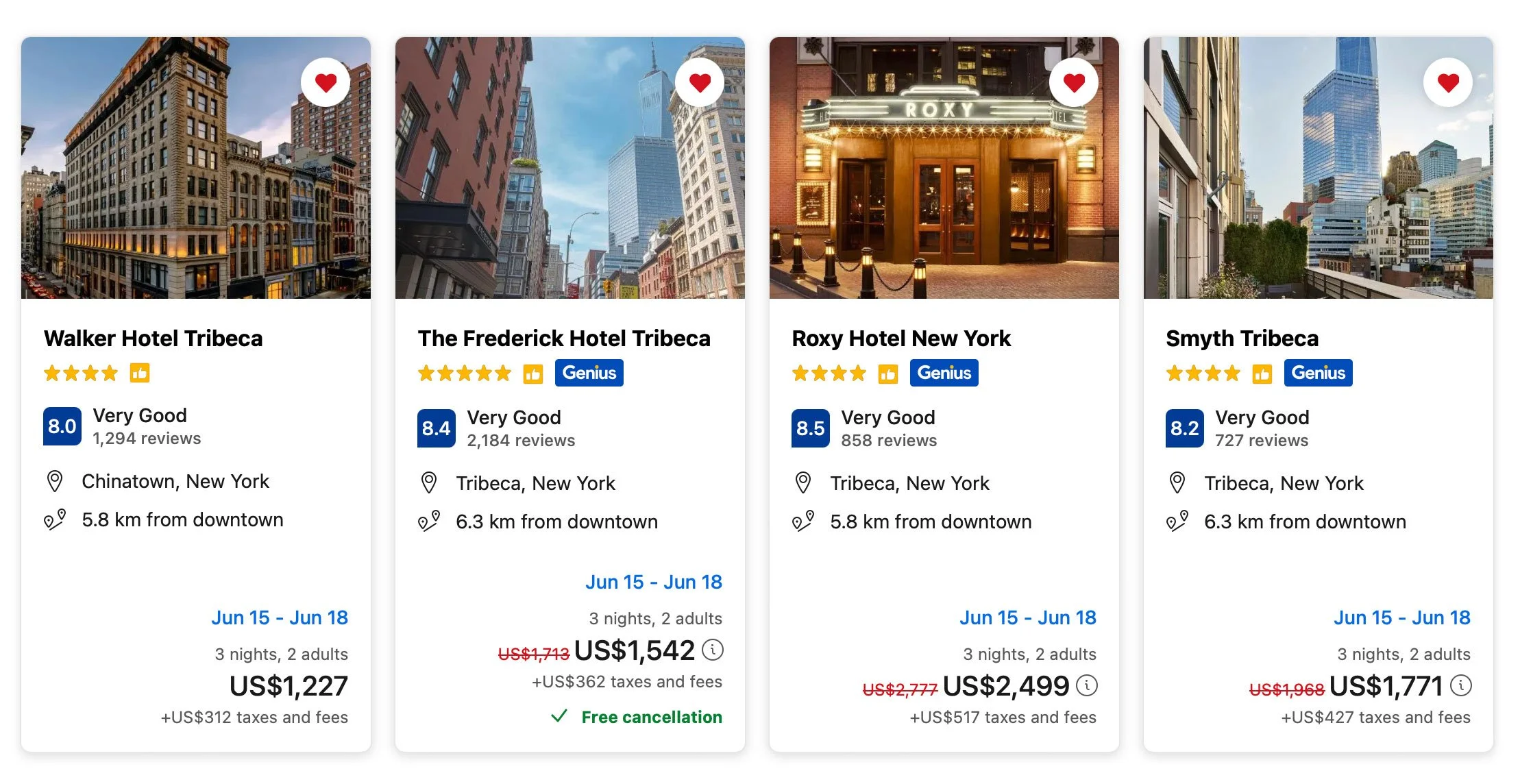
Four Boutique Hotels. Four Visual Strategies. One Neighborhood.
Four independent boutique hotels within blocks of each other — same market, overlapping rates, dramatically different visual signals. An on-platform analysis of how hero imagery shapes perceived value before price is ever considered. Guests believe they are comparing hotels on price. In reality, they have already decided based on image.
View the market comparison →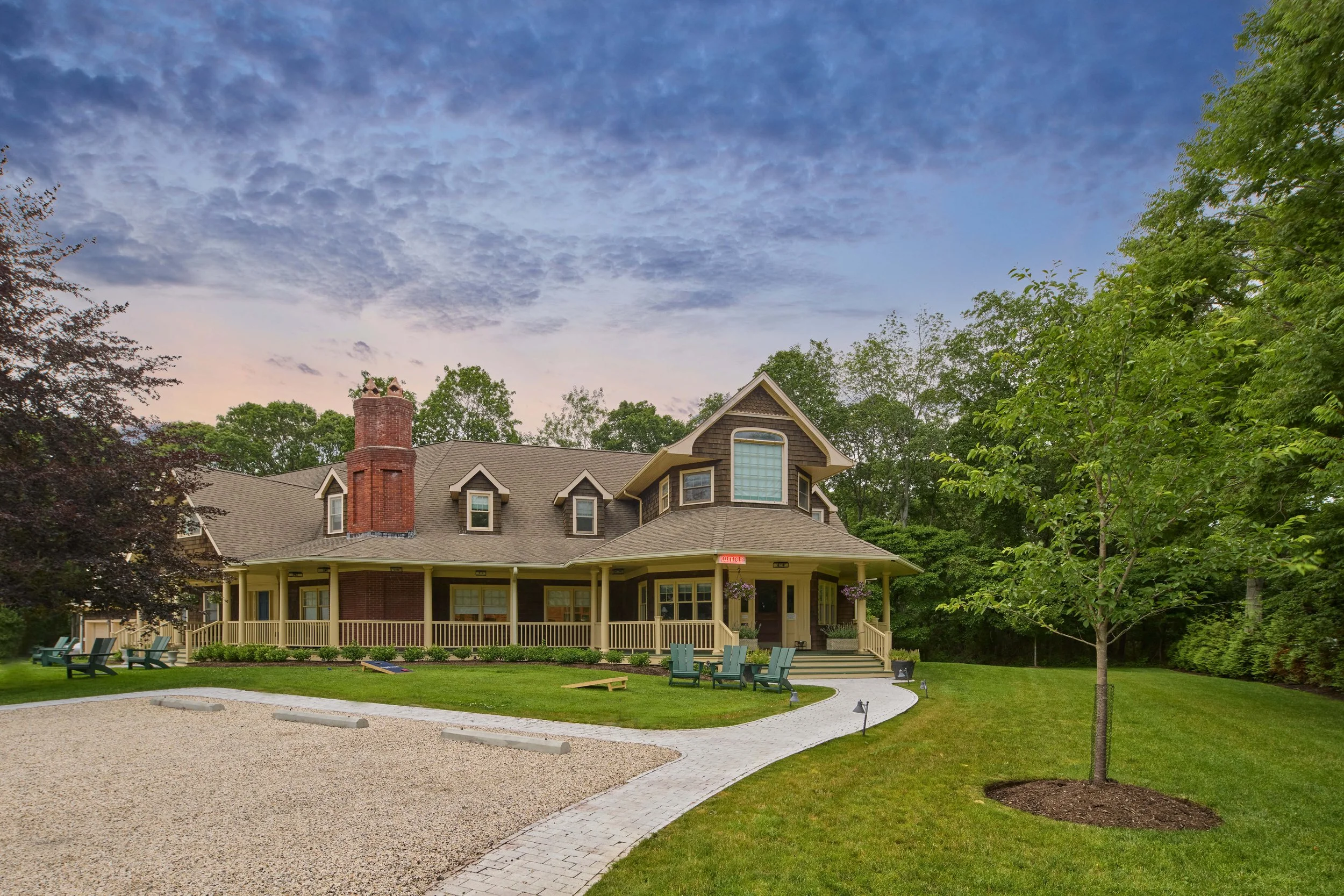
The Sagaponack: Earning the Rate Before the Guest Arrives
A boutique property in one of the most compressed seasonal markets in the country — where visual presentation is the difference between a guest who books confidently and one who keeps scrolling.
When perceived value rises faster than capital investment, operators gain pricing leverage without additional renovation spend.
Explore the case study →Cliff's work at The Sagaponack elevated how the property is presented across our marketing channels. The updated imagery more clearly communicates the guest experience and aligns with the level of customer we aim to attract.
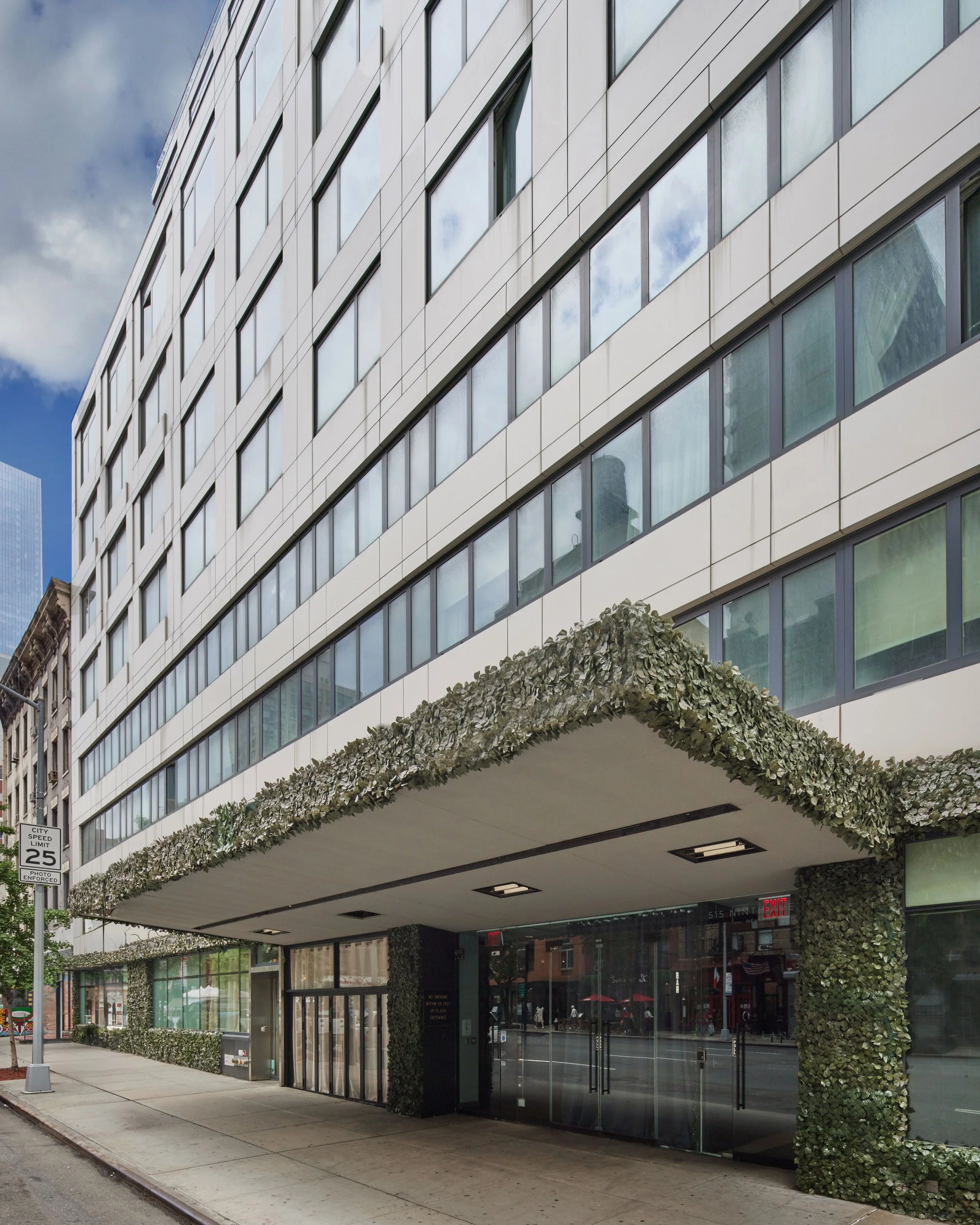
Truss Hotel Times Square: Closing the Gap Between Investment and Perception
A renovated Midtown property competing in one of the densest hospitality corridors in the world — where capital improvement means nothing if the visual presentation hasn't caught up.
Renovation spend is invisible to guests who encounter pre-renovation imagery on OTA platforms.
Explore the case study →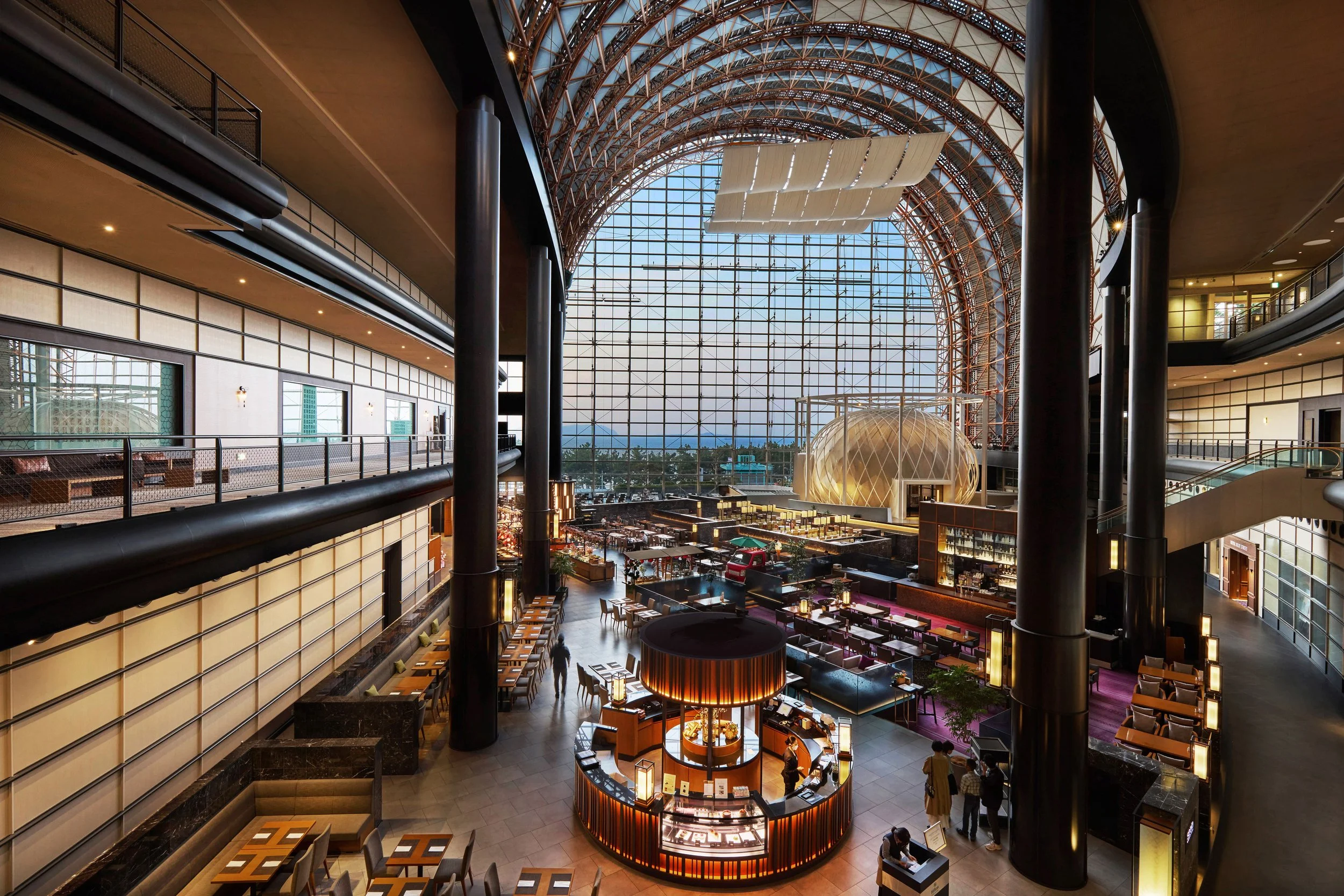
Hilton Fukuoka Sea Hawk: Architecture as a Revenue System
A 1,000+ room convention property on the Fukuoka waterfront — where the architecture itself functions as a commercial strategy, and visual documentation must communicate scale, activity, and positioning simultaneously.
Long before a guest evaluates room pricing, the architecture has already shaped their expectations.
View case study →Is your property
the next case study?
Start with a visual audit — delivered in 3–5 business days for $750.